
The evolution of gambling a historical journey through time
The Origins of Gambling
The history of gambling traces back to ancient civilizations, where betting on outcomes was intertwined with cultural practices and rituals. The earliest known forms of gambling emerged in Mesopotamia, around 3000 BC, where people used dice made from animal bones. These rudimentary games set the stage for the complex betting systems that would evolve over centuries, paving the way for platforms like roocasino-online.com.
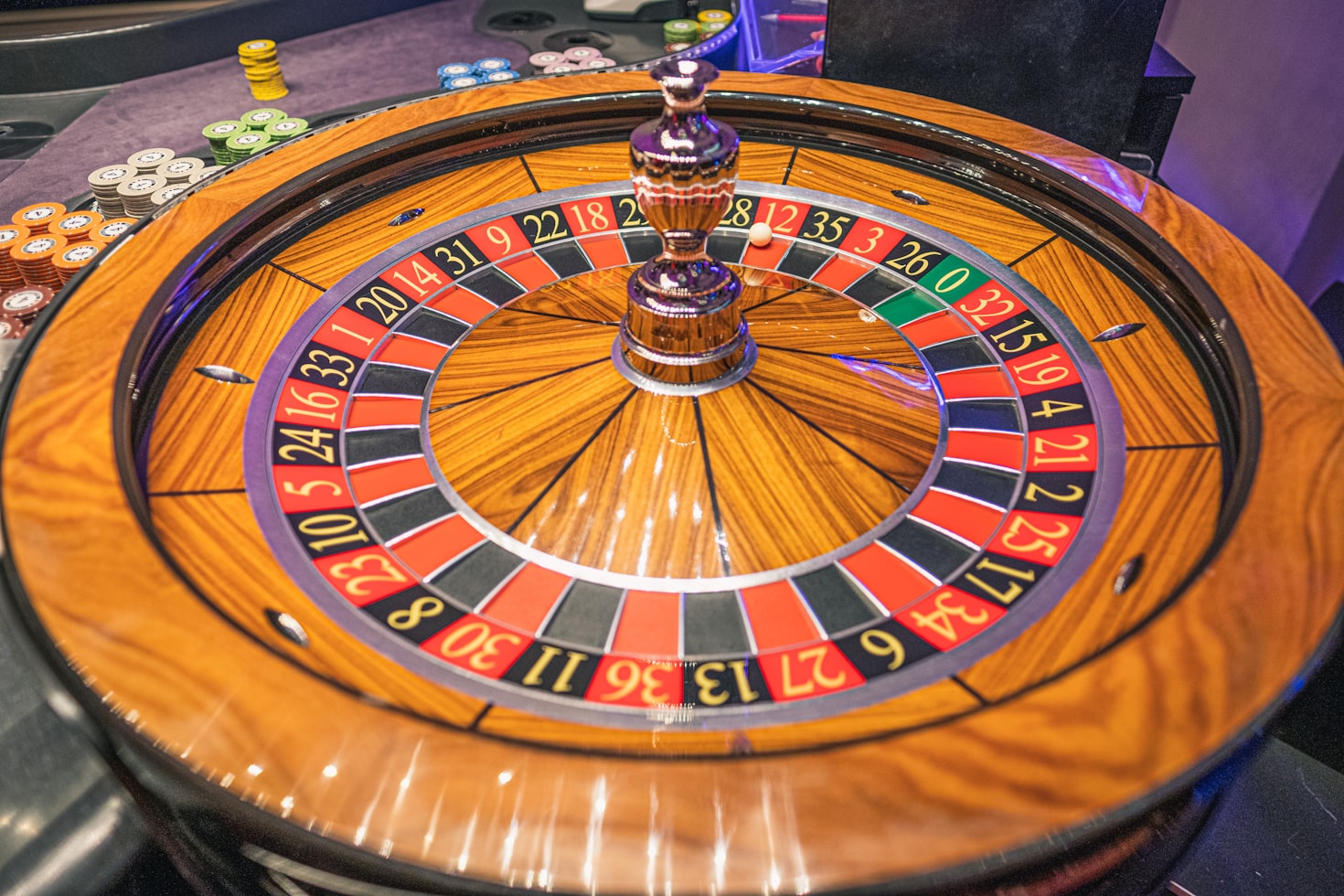
As societies advanced, so did the sophistication of gambling. The ancient Romans, for example, popularized games of chance, including betting on gladiatorial contests. This period marked the beginning of organized gambling, where stakes were often tied to social status, further embedding the practice into the fabric of society.
The Middle Ages and the Rise of Gambling Houses
The Middle Ages saw a shift in gambling as local rulers began to establish regulations around it. Gambling houses started to appear in Europe, offering a more structured environment for bettors. This period also witnessed the creation of card games, which quickly gained popularity, leading to the development of early gambling laws.
In the latter part of the Middle Ages, games such as blackjack and poker began to emerge, reflecting societal interests and the changing landscapes of leisure activities. The evolution of gambling during this time was significant, as it transitioned from informal activities to established venues where patrons could engage in games with clear rules and stakes.
The Birth of Modern Casinos
The 17th century marked the emergence of the first official casinos, with the establishment of the Casino di Venezia in Italy, often credited as the world’s oldest casino. These establishments were designed to offer a variety of games and entertainment, further cementing gambling as a popular pastime among the elite. The concept of luxury intertwined with gaming became a hallmark of the casino experience.
The evolution continued into the 19th century, with the proliferation of casinos across Europe and the Americas. Innovations in gaming technology, such as the introduction of the slot machine, transformed the gambling landscape, making it more accessible to the general public. As gambling became more mainstream, societal attitudes began to shift, leading to both acceptance and criticism of the practice.
The Digital Revolution and Online Gambling
The advent of the internet in the late 20th century ushered in a new era for gambling, radically changing how people engage with games of chance. Online casinos emerged in the mid-1990s, allowing players to enjoy their favorite games from the comfort of their homes. This digital transformation expanded the reach of gambling, making it accessible to a global audience.
Online platforms have also blurred the lines between luck and skill in gambling. Many games now offer strategies and insights, allowing players to enhance their chances of winning through skill-based decisions. This shift has led to a more interactive experience, where players not only rely on luck but can also leverage their knowledge to influence outcomes.

Exploring Roo Casino
Today, Roo Casino stands as a premier online gaming destination, tailored specifically for players seeking a diverse array of gaming options. The casino features a vibrant selection of pokies, table games, and live dealer experiences, designed to cater to various tastes and preferences. With user-friendly navigation and an emphasis on a seamless gaming experience, players can enjoy their favorite games anytime, anywhere.
Roo Casino also prioritizes trust and fairness in its operations, ensuring players feel secure while enjoying their gaming adventures. With competitive promotions and a robust welcome package, Roo Casino is committed to delivering not only entertainment but also rewarding experiences for its community of players.