
Understanding the psychological triggers behind gambling behaviors
The allure of gambling: Understanding the excitement
The psychological appeal of gambling is deeply rooted in the thrill and excitement it generates. Many individuals are drawn to the prospect of winning, which can release feel-good hormones in the brain. This surge of dopamine creates a sense of euphoria, often leading to increased risk-taking behavior. Understanding this excitement is crucial for both gamblers and their support networks, as it highlights the emotional and physiological responses that make gambling enticing. For those interested, exploring the realm of online casino options can provide further insights into this phenomenon.

The unpredictability associated with gambling also plays a significant role. The possibility of winning creates anticipation, which can be intoxicating. Gamblers often find themselves in a cycle of highs and lows, where the moments of victory can overshadow the reality of losses. This rollercoaster effect can lead to an addictive cycle, where the need for that next high becomes increasingly dominant.
The role of cognitive biases in gambling
Cognitive biases are systematic patterns of deviation from norm or rationality in judgment. In gambling, several cognitive biases can significantly influence decision-making. For example, the illusion of control leads individuals to believe they can influence random outcomes, such as in games of chance. This belief can compel gamblers to engage more frequently, underestimating the inherent randomness of the games they play.
The impact of social influences on gambling behavior
Social factors play a crucial role in shaping gambling behaviors. The environment in which an individual is exposed to gambling can either encourage or deter participation. For instance, peer pressure among friends or family members can create a sense of belonging that reinforces gambling behaviors. The normalization of gambling in certain cultures can further exacerbate these influences, making it more socially acceptable to engage in such activities.
The psychological effects of gambling addiction
The psychological ramifications of gambling addiction can be profound and far-reaching. Individuals may experience heightened levels of anxiety, depression, and stress as they navigate the complexities of their gambling habits. The compulsive nature of the behavior can lead to significant emotional turmoil, impacting relationships, work, and overall well-being.
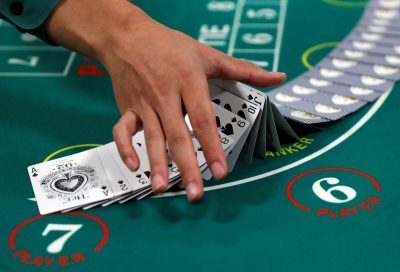
Insights and resources for understanding gambling behavior
This website serves as a valuable resource for those looking to explore the complexities of gambling behavior. With a focus on the latest research and insights, it aims to educate users on the psychological triggers that drive gambling. While access may be currently restricted, the commitment to delivering comprehensive information remains a priority.